
Age of Apes
Tap4fun (Hong Kong) LimitedStrategy
4.617.02K Reviews
- Version
- Varies With Device
- Installs
- 50.00M
- Age Rating
- Everyone
Screenshots





Our Review of Age of Apes
 Analysis by Appyee
If there’s one thing I love, it’s diving into a game that promises chaos, adventure, and a whole lot of monkey business. That's exactly what I found with Age of Apes. Let me walk you through my experience as I swung through the vibrant, quirky world of this game, which is available on both Android and iOS.
The first action: choosing a side
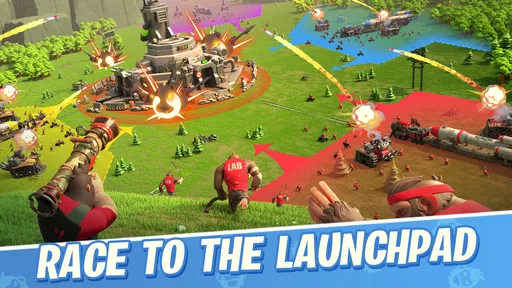
My first meaningful step was joining one of the ape factions. That choice gives the colorful premise a strategic frame: apes are competing over bananas and the ambition to reach space. It is a playful setup, but the decision also points toward the kind of experience this is—less a quick arcade challenge and more a long-running strategy game shaped by a shared contest.
That distinction matters if you are deciding what to install. I would pick this over a short, self-contained puzzle game when I want a persistent world to check in on and a reason to coordinate with other people. I would choose a match-based strategy game instead if I wanted a complete contest that begins and ends in one sitting. The appeal here is the broader campaign feeling, not simply winning one isolated round.
The game is free to download, and its Everyone age rating makes it broadly approachable. Tap4fun (Hong Kong) Limited developed it, and it first arrived on July 28, 2020. Its 4.6 average from around 1.1 million ratings, alongside over 50 million installs, suggests that it has reached a large audience, though popularity alone cannot tell you whether its ongoing pace will suit you. I’d treat it as a social strategy game to sample, not as a promise that every player will enjoy the same rhythm.
Welcome to the Jungle
First impressions matter, and Age of Apes doesn’t disappoint. As soon as I launched the game, I was greeted with a colorful, animated world where apes are the dominant species. The premise is simple yet intriguing—apes are desperately seeking bananas to reach space. Yes, you read that right. It’s bananas or bust!
The graphics are a treat for the eyes, with a cartoonish style that keeps things light and fun. It’s like being in a Saturday morning cartoon, with vibrant landscapes and expressive ape characters that seem to jump off the screen. I found myself chuckling at the little details, like the apes' silly expressions and humorous animations.
Gameplay and Strategy
Now, onto the gameplay. You start by joining one of the ape factions, each with its own quirky personality and agenda. This adds a layer of strategy as you compete against rival factions to collect bananas and reach the stars. The game combines elements of real-time strategy and base-building, which kept me engaged for hours.
One of my favorite parts is the alliance system. Teaming up with other players makes the game a social experience, and I found myself strategizing with newfound friends to outsmart our rivals. The game’s chat feature is handy for coordinating attacks and sharing tips, which is crucial in the heat of battle.
That social layer is a real strength, but it also changes how I would plan a session. If I have only a few minutes, I can check the state of my base and deal with a small task; if I want to make a meaningful coordinated move, I need to be available when other players can respond. I would not join an alliance expecting every member to be online at the same time. Instead, I’d use chat to agree on a simple plan and make sure I understand the group’s expectations before committing to a big push.
A practical routine helps keep a persistent strategy game from taking over the day. I’d open it during a break, look at what needs attention, and avoid starting a major action if I know I cannot return when it matters. Later, when I have more time, I can communicate with allies and think through an attack rather than making a rushed choice. That separation between quick maintenance and deliberate coordination is useful, but players who want zero social obligations may find the alliance side more demanding than they want.
- Base Building: Building and upgrading your base is a satisfying task. There’s something rewarding about watching your base grow from a humble outpost to a bustling hub of ape activity.
- Combat: The combat is straightforward yet exciting. Whether it’s defending your base or attacking opponents, each skirmish tests your tactical skills.
- Events and Challenges: Regular events keep the gameplay fresh. I enjoyed the variety, from special missions to time-limited rewards, which kept me coming back for more.
For me, the useful strategic habit is to decide what I want from a visit before tapping around: develop the base, take part in combat, or focus on an event. That keeps a short check-in purposeful. It also helps avoid treating every notification or limited-time activity as mandatory. Events can give a reason to return, but they can make the game feel like a schedule rather than a pastime if I try to chase everything at once.
There is a trade-off between direct control and the larger strategic picture. The combat is easy to follow, which lowers the barrier to entry, but players looking for intricate tactical battles may want a game where moment-to-moment positioning is the main attraction. Here, my interest comes more from building, choosing when to engage, and coordinating with allies than from expecting every encounter to be a deep standalone strategy puzzle.
How the feedback turns into a reason to return
The loop works because an action has a visible consequence: I invest attention in the base or a contest, see the world develop, and get a fresh objective to consider. The reward is not only an item or a completed task; it is also the sense that my faction and base have moved forward. That feedback is most satisfying when I can connect it to a choice I made, rather than simply tapping through prompts without knowing why a task matters.
When I return after a break, I want to reassess rather than repeat a fixed checklist. I look for the most useful next step, then decide whether I have enough time to follow it through. This is a small but important way to keep the game enjoyable: a brief visit can be maintenance, while a longer one can be for planning and interaction. If the game’s pace starts to feel like chores, I’d scale back instead of trying to keep up with every activity.
One everyday scenario makes the fit clear. Imagine opening the game during a lunch break: I can check my base and decide on a modest task, but I may not have the time or attention for a conversation about a coordinated attack. Later at home, I can return to chat and make a more considered move. That pattern suits someone who likes a continuing strategy project. It is less suitable for someone who wants each session to be fully independent and finished before putting the phone away.
Sound and Music
The soundtrack is catchy and fits the game’s whimsical tone perfectly. It’s upbeat and fun, enhancing the playful atmosphere without becoming repetitive. The sound effects add to the immersion, from the rustle of leaves to the clamor of battle. It all comes together to create a lively and engaging soundscape.
Monetization and In-Game Purchases
Now, let's talk about the elephant in the room—monetization. Age of Apes is a free-to-play game, but it does include in-game purchases. Honestly, I didn’t find them too intrusive. While you can speed up progress with purchases, the game is generous with rewards, allowing you to enjoy a rich experience without spending a dime. Patience is key, but the option to accelerate progress is there if you choose.
Purchases range from $0.99 to $99.99 per item, so I’d be deliberate about spending rather than treating a low starting price as a guide to the whole shop. I’d first play long enough to learn which activities I genuinely enjoy and where waiting feels frustrating. If I do choose to buy something, setting a personal limit beforehand is a sensible guardrail, especially in a game built around ongoing progress and repeat visits.
That is also where it differs from a one-time paid strategy game. There is no upfront purchase price, but optional spending sits alongside the free-to-play loop. Players who prefer to pay once and avoid in-game purchase prompts may be happier with a premium alternative. For players comfortable with optional purchases—or content to take progress at a patient pace—the free entry makes it easier to see whether the faction and alliance experience clicks before deciding anything else.
Final Thoughts
All in all, Age of Apes is a delightful mix of strategy, humor, and social interaction. It’s a game that doesn’t take itself too seriously, which is refreshing. Whether you’re a casual gamer or a strategy aficionado, there’s something here for everyone. The combination of engaging gameplay, charming graphics, and a vibrant community makes it a standout title on mobile platforms.
My recommendation is more specific: try it if you enjoy watching a base develop, joining a faction, and having other players give your decisions a wider context. It can work for a casual player who likes short check-ins, provided they are comfortable with progress unfolding over time. I’d skip it if I mainly wanted a tightly paced, offline-feeling campaign, highly detailed tactical combat, or a game with no optional spending. Those preferences point toward a different kind of strategy title.
If you’re looking for a game that offers a unique twist on the strategy genre with a side of fun, give Age of Apes a try. Who knew that the quest for bananas could be this entertaining?
Verdict
Strengths of Age of Apes
- Engaging storyline with thrilling missions.
- Vibrant graphics enhance the gaming experience.
- Multiplayer feature allows team collaboration.
- Regular updates keep content fresh.
- Easy to learn with helpful tutorials.
Limitations of Age of Apes
- Requires constant internet connection.
- Can be resource-heavy on older devices.
- In-app purchases can get expensive.
- Occasional server lag during peak times.
- Limited offline play options.
Other Releases by Tap4fun (Hong Kong) Limited
View All
Kingdom Guard: Tower Defense
Strategy4.4
Similar Picks in This Category
View All
Clash of Clans
Supercell4.5

Plants vs. Zombies™
ELECTRONIC ARTS3.7

Lords Mobile: Kingdom Wars
IGG.COM4.5

Clash Royale
Supercell4.4

State.io — Conquer the World
CASUAL AZUR GAMES4.1

Car Driving School : Car Games
Spark Game Studios3.9
You May Also Like
View All
Frequently Asked Questions
What is the main objective in Age of Apes?
In Age of Apes, the primary goal is to lead your monkey gang to space in search of bananas, the ultimate resource. You'll need to build and upgrade your base, strategize attacks against rival gangs, and manage resources efficiently to ensure your gang's dominance in this post-apocalyptic world.
Is Age of Apes free to play?
Yes, Age of Apes is free to download and play on both Android and iOS platforms. However, it does include in-app purchases that allow players to buy items and speed up progress. These purchases are optional and not necessary to enjoy the full experience of the game.
What are the in-app purchases available in Age of Apes?
In Age of Apes, in-app purchases range from resource packs to special items that enhance gameplay. These purchases can expedite base upgrades, troop training, and more. Prices vary, and players can decide how much they wish to spend, if at all, to enhance their gaming experience.
Can I play Age of Apes with friends?
Yes, Age of Apes offers a multiplayer experience where you can form alliances with friends or other players globally. Collaborate to complete missions, defend against enemy attacks, and conquer territories, providing a social and strategic layer to the gameplay.
What devices support Age of Apes?
Age of Apes is available on both Android and iOS devices. It requires a minimum of Android 5.0 or iOS 10.0 to run smoothly. Ensure your device meets these requirements for optimal performance, and check for updates regularly to enjoy the latest features.
Play our best games!


